
Abstract:
Background: Child health outcomes are shaped not only by biological and medical factors, but also by social, emotional, educational, and environmental conditions. Children experiencing psychosocial stressors often encounter fragmented systems of care that delay prevention and early intervention. Social pediatrics provides a framework for addressing these gaps by integrating child health supports across families, schools, and communities.
Objective: This presentation describes a community-centered prevention and early intervention model grounded in social pediatrics, designed to strengthen psychosocial well-being, resilience, and protective factors among children and adolescents through coordinated, relationship-based supports.
Methods: The model was implemented in school and community settings serving elementary and middle- grade youth. A mixed-methods evaluation approach was utilized. Quantitative data included pre- and post-measures of social-emotional functioning, behavioral risk indicators, and academic performance. Qualitative data were collected through focus groups and structured feedback from caregivers, educators, and youth to examine feasibility, acceptability, and perceived impact.
Results: Findings demonstrate improvements in prosocial behavior, emotional regulation, and student engagement, alongside reductions in behavioral risk indicators. Qualitative analyses highlighted the importance of consistent relational support, family engagement, and cross-sector collaboration in promoting child well-being. Stakeholders emphasized the value of embedding prevention services within everyday child contexts rather than relying solely on clinic-based models.
Conclusion: A social pediatrics approach that integrates prevention and early intervention across schools, families, and community organizations offers a scalable pathway for improving child health outcomes. This model illustrates how interdisciplinary, community-embedded systems can address psychosocial determinants of health, strengthen protective factors, and promote holistic child development. Implications for pediatric practice, community partnerships, and public health strategies are discussed.
Biography:
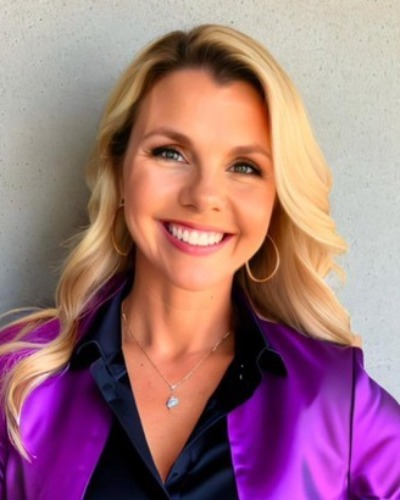
Dr. Kimberly Moody is a professor of literacy and the Director of the Collaborative Literacy Education, Advancement, and Research (CLEAR) initiative at Wichita State University. She is also the co-founder of Prime Fit Youth Foundation. Her work focuses on social pediatrics, prevention science, and community-centered systems that support child mental health, resilience, and family engagement. Dr. Moody’s research and applied initiatives integrate education, mental health, and public health approaches to address psychosocial determinants of child well-being. She has led multiple school- and community-based prevention initiatives and has published and presented nationally and internationally on child development, social-emotional learning, and systems-level intervention.
© 2026 Mathews International LLC. All rights reserved.
