
Harran University, Turkiye
Abstract:
Aim: Type 1 diabetes (T1DM) is a chronic condition that causes significant physiological, emotional, and psychosocial challenges, particularly in adolescents. While anxiety disorders are commonly reported among adolescents with T1DM, the multidimensional factors contributing to this condition have not been sufficiently investigated. The aim of this study is to examine the relationships among anxiety, hope, mindfulness, and self-esteem in adolescents with T1DM.
Method: This descriptive and correlational cross-sectional study was conducted between May and July 2026 at a tertiary-care healthcare facility in southeastern Turkey. The study included 103 adolescents aged 12–18 who had been diagnosed with Type 1 diabetes. Data were collected using the State-Trait Anxiety Inventory, the Hope Scale, the Self-Esteem Scale, and the Mindfulness Scale.
Findings: Increased anxiety and hopelessness symptoms were found to be associated with decreased levels of self-esteem and mindfulness. Furthermore, it was determined that higher levels of self-esteem and mindfulness reduce anxiety symptoms and may increase levels of hope. It was found that anxiety symptoms, mindfulness, and self-esteem explained 74% of the variance in hope scores.
Conclusion: It was observed that self-esteem and mindfulness play a mediating role between anxiety symptoms and levels of hope in adolescents with T1DM. It was concluded that increased mindfulness regarding the disease and its management, along with self-esteem, may reduce anxiety symptoms and increase hope for the future.
Keywords: Type 1 diabetes, adolescents, anxiety, hope, mindfulness, self-esteem
Biography:
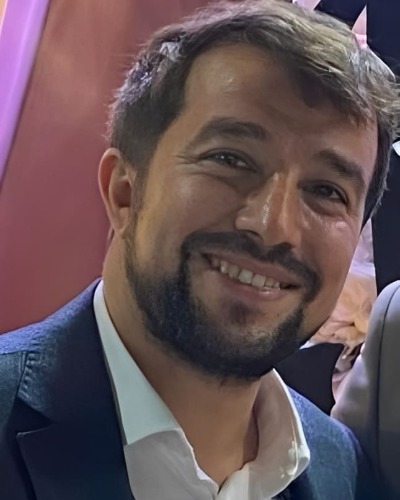
Assoc. Prof. Dr. Mehmet Emin Düken is a faculty member at Harran University Faculty of Health Sciences, specializing in the Department of Pediatric Nursing. His comprehensive academic research focuses on child health, neonatal intensive care stress, adolescent sleep patterns, and technology addiction. Notably, his clinical and academic footprint extends to chronic childhood illnesses, having conducted significant research and managed projects concerning pediatric epilepsy and diabetes management. Dr. Düken is deeply recognized for his extensive project work with disadvantaged and vulnerable demographics. He has contributed significantly to investigating the psychosocial integration of Syrian refugee children, as well as managing post-disaster trauma rehabilitation for families affected by the Kahramanmaraş earthquakes. Through his numerous published scientific studies, therapeutic play investigations, and community projects, he continues to actively shape policies regarding chronic pediatric care, pediatric mental health, and crisis management in nursing
© 2026 Mathews International LLC. All rights reserved.
