
Abstract:
Background: Transfusion-dependent thalassemia (TDT) is associated with progressive iron accumulation due to repeated blood transfusions, resulting in potential cardiac and hepatic complications. Serum ferritin is commonly used to monitor iron burden; however, it may not accurately reflect organ-specific iron deposition. T2* magnetic resonance imaging (MRI) provides a non-invasive method for assessing cardiac and hepatic iron overload.
Aim: To evaluate cardiac and hepatic iron overload using T2* MRI in children with thalassemia major and assess its correlation with serum ferritin levels.
Methods: This single-centre retrospective observational study included 70 children aged 4–11 years with transfusion-dependent thalassemia. Patients who had received at least 10 blood transfusions or regular transfusions for a minimum of one year were included. Cardiac and hepatic iron deposition was assessed using T2* MRI. Serum ferritin levels measured within six months of the MRI were used for correlation analysis.
Results: The mean age of the study population was 8.04 years, with males constituting 54.3% of participants. Cardiac iron overload was observed in 42.9% of children, with moderate-to-severe overload in 21.4%. Hepatic iron overload was considerably more prevalent, affecting 98.6% of children, with moderate-to-severe overload in 75.7%.
The mean cardiac T2* value was 22.38 ± 9.19 ms, while the mean hepatic T2* value was 5.66 ± 5.61 ms. Serum ferritin demonstrated a weak negative correlation with cardiac T2* values, which was not statistically significant (r = −0.159, p = 0.188). In contrast, a statistically significant negative correlation was observed between serum ferritin and hepatic T2* values (r = −0.309, p = 0.010).
Conclusion: Hepatic iron overload was more prevalent and severe than cardiac iron overload in children with transfusion-dependent thalassemia. Serum ferritin correlated significantly with hepatic iron deposition but not with cardiac iron burden. These findings highlight the importance of organ-specific assessment using T2* MRI, as serum ferritin alone may not adequately identify cardiac iron overload.
Biography:
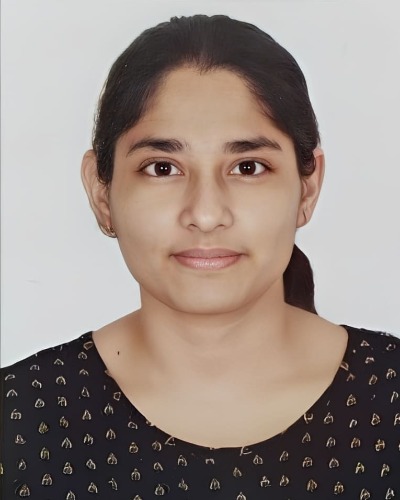
Dr. Nayanika Bhatia is a paediatrician with an MD in Paediatrics from Seth G.S. Medical College and KEM Hospital, Mumbai. She has clinical experience in paediatric inpatient care, emergency response, and intensive care, with an academic interest in paediatric haematology-oncology. She has cleared the MRCPCH Foundation of Practice and Theory and Science examinations and holds certification in Paediatric Advanced Life Support. She is currently working as a clinical assistant in paediatric haematology and oncology in Kokilaben Dhirubai Ambani Hospital, Mumbai,India.
© 2026 Mathews International LLC. All rights reserved.
