
Abstract:
AI is transforming paediatrics through predictive analytics, precision medicine, and administrative automation. Key applications include detecting congenital heart defects, forecasting asthma exacerbations, and accelerating autism diagnoses using digital behavioural tools. AI applications span multiple domains, from predicting preterm births and optimizing NICU, monitoring to automating the interpretation of complex medical imaging.
Key Applications in Paediatric Care
- Diagnostics and Imaging: Machine learning algorithms and convolutional neural networks analyse medical images—such as detecting paediatric pneumonia on chest X-rays or identifying congenital heart defects on echocardiograms—with accuracy often comparable to expert radiologists.
- Predictive Analytics: AI systems are deployed in NICU’s to analyse vital signs and bio signal data. These tools can predict life-threatening conditions like sepsis and hypoxemia hours before clinical symptoms appear.
- Personalized Therapeutics: By leveraging genomic and clinical data, AI assists paediatric oncologists and specialists in determining the most effective treatments and dosages tailored to a child’s unique genetic profile.
- Mental and Behavioural Health: AI software (e.g., Canvas DX) functions as a diagnostic tool by analysing developmental assessments, parent-provided information, and recorded videos of children. This significantly reduces the wait times for specialist appointments for conditions like Autism Spectrum Disorder.
- Administrative and Workflow Efficiency: Generative AI is being integrated into Electronic Health Record (EHR) systems to summarize complex patient histories, draft clinical notes, and respond to patient portal messages, thus allowing physicians to spend more time with their young patients.
Challenges / Unique Considerations
- Bio development: Because children’s physiology and cognitive maturity change rapidly, AI models must be continuously adjusted for developmental stage.
- Data Scarcity: There is a smaller volume of paediatric medical data compared to adult data, limiting the training and refinement of paediatric-specific algorithms.
- Governance: Paediatric AI governance requires special ethical considerations, including developmentally appropriate consent/assent frameworks. Less than 20% of FDA-cleared AI/Machine Learning medical devices document the involvement of children in their testing
NICU technologies are revolutionizing newborn care by making monitoring safer, less invasive, and more family-centric. Key innovations include AI-powered camera systems for touchless vital sign tracking, securement devices that allow parents to hold babies with lines much sooner, and algorithms that predict infections a day in advance.
Neonatal units, where the smallest and most vulnerable lives are supported, AI is beginning to influence decision-making. From monitoring vital signs to predicting complications like Bronchopulmonary Dysplasia (BPD), AI can help identify health risks earlier and support faster intervention.
Emerging technologies such as gene therapy and AI-driven care offer additional opportunities for improving neonatal outcomes. Gene-based interventions could correct congenital disorders early in life, while AI tools could optimize diagnosis, monitoring, and individualized care plans.
There are 7 core AI measures of the NICU, established by the Neonatal Integrative Developmental Care Model, are neuroprotective strategies designed to support healthy brain growth and development in premature or critically ill infants.
However, paediatric AI lags behind adult care due to a scarcity of paediatric data and varying physiological growth stages. These technologies are seldom used in under developed nations due to the cost of technology itself and the population. It’s going to take a long time for these countries to fully benefit from these AI innovations.
Biography:
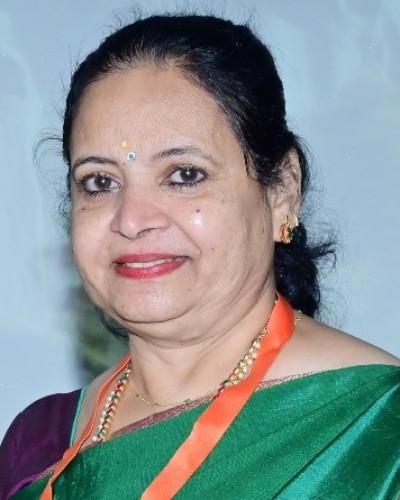
Dr. Sharadha Ramesh is Director of Academics at present is specializing in Massive Open Online courses (MOOCS) for Health care providers integrating AI. She holds a PhD in Faculty of Nursing and specialized in Community Health Nursing from SRIHER and TN Dr.MGR University, Chennai and alumnus of CMCH, Vellore. She has 40 years of experience in nursing including 18 years as Academic Administrator, Nursing Educator, Researcher and is evaluator /peer team assessor for the accrediting bodies. She was honoured with several awards including a Life Time Achievement award from the Nursing Council. She is actively involved in making online courses and media.
© 2026 Mathews International LLC. All rights reserved.
