
Abstract:
Background: Traditional pharyngeal examination relies on direct visual inspection with a flashlight, with or without a tongue depressor. However, clinicians may find it difficult to recall the precise visual details after an examination. Digital oropharyngography (OPG) was evaluated as an approach to record throat findings as digital images that can be stored and reviewed.
Methods: The work was conducted in two sequential stages. In Stage 1 (May 2018–May 2022), pharyngeal images were documented using a smartphone during routine throat examinations. In Stage 2 (May 2026–September 2026), the recording system was upgraded to a dedicated multifunctional scope with a specialized viewing angle, a customized light source, and a short-focal-length lens. The system supported direct digital storage on local computers or cloud systems.
Results: Stage 1 included 1,582 patient visits across an age range from newborns to 68 years. Intermittent image capture took approximately 25 seconds to 2.3 minutes per encounter, with a mean image-satisfaction score of 6.7. Stage 2 included 103 patient visits, with ages ranging from 0.1 to 46 years and diagnostic categories similar to those in Stage 1. With the dedicated scope, image acquisition took approximately 3–8 seconds per patient, and the mean image-satisfaction score increased to 9.1.
Conclusion: Digital OPG can be incorporated into point-of-care settings, including outpatient clinics, consultation rooms, and bedside care. Compared with the smartphone-based workflow, the dedicated device streamlined image capture and reduced the need to coordinate multiple people handling a smartphone, flashlight, and tongue depressor. By converting a single observer’s direct visual examination into a storable and shareable digital record, OPG may support clinical documentation and education.
Biography:
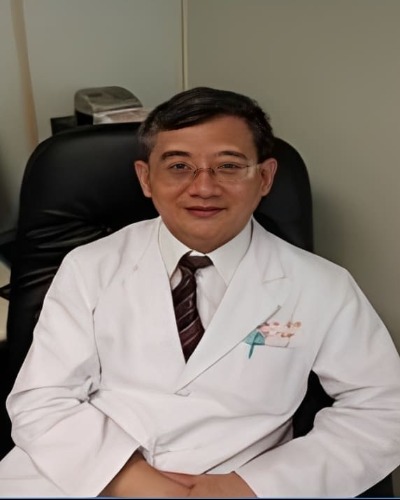
Kai-Sheng Hsieh, MD, is the Vice Superintendent for Medical Education at China Medical University Children’s Hospital and a Professor at China Medical University in Taichung, Taiwan. He received his medical degree from the National Defense Medical Center and completed clinical fellowship training in cardiology at Boston Children’s Hospital and Harvard Medical School. His professional work spans pediatrics, pediatric cardiology, critical care, and point-of-care ultrasound, bioinformatics, medical education, digital and imaging.
© 2026 Mathews International LLC. All rights reserved.
