
Abstract:
Background: The cystic fibrosis transmembrane conductance regulator (CFTR) channel controls epithelial ion and fluid homeostasis and Single-cell RNA sequencing shows decreased CFTR expression in BPD infants pneumonocytes. Given the high expression of CFTR in a subset of alveolar type 2 (AT2) cells, we hypothesized that CFTR plays a critical role in alveolar epithelial regeneration and repair following intrauterine LPS injury. We propose that, beyond its canonical role in ion and fluid transport, CFTR expression in AT2 cells facilitates their proliferation and differentiation into alveolar type 1 (AT1) cells by modulating key regenerative signaling pathways.
Methods: Pregnancy C57/BL mice were exposed to LPS with or without the CFTR potentiator VX770 or CFTRinh-172 at embryonic day 12.5, 13.5 and 14.5 by intraperitoneal injection. At postnatal day 7, histopathologic analysis and assessment of SPC/AGER/Ki67/YAP1 expression analysis were performed. Primary AT2 organoids derived from wild-type (WT) C57/B neonatal mice were exposed to CFTRinh-172, IL-6 with or without VX-770, and their regenerative responses were compared. Gene expression was quantified by qRT-PCR and confirmed through immunostaining.
Results: LPS induced intrauterine inflammation (IUI), conformed by placenta histologic analysis and increased levels of IL-1beta, il-6 and TNF-alpha in maternal serum, arrested lung development, characterized by increased mean linear intercept (MLI) and decreased alveolar numbers, compared to wildtype controls (CTRL). Immunostaining demonstrated decreased AT1, AT2 and Ki67 positive AT2 in IUI offsprings when compared to CTRL. CFTRinh-172 treatment during pregnancy mimic the LPS-induced phenotype, however, VX-770 treatment reversed LPS-induced phenotype. IUI dampen CFTR mRNA and protein expression, and in vitro study, IL-1beta, il-6 and TNF-alpha treatment suppressed the CFTR mRNA and protein expression MLE-12 either. WT AT2 cell organoids formed regular cystic structures with large lumens, whereas CFTRinh-172 treated organoids exhibited irregular structures with high cell density and small lumens, along with impaired differentiation into AT1-like cells, as determined by qRT-PCR and immunostaining. IL-6 treated AT2 cell organoids shown the similar structures as CFTRinh-172 treated organoids, which was significantly improved by VX-770. Notably, CFTRinh-172 or IL-6-treated wild-type organoids shown decreased nucleus Yap1 location, in contrast, VX-770 treatment reversed the shift. Finally, lung immunostaining confirmed decreased nuclear YAP1 staining in LPS induced-IUI and CFTRinh-172 exposed group, and VX-770 treatment rescued reduced nuclear YAP1 expression in IUI group.
Conclusions: These findings indicate that IUI-induced CFTR dysfunction leads to failure of proliferation of AEC2s and their differentiation into AEC1s. Restoration of CFTR partially mitigate AEC2 proliferative and differential capacity through promoting YAP1 nuclear localization.
Biography:
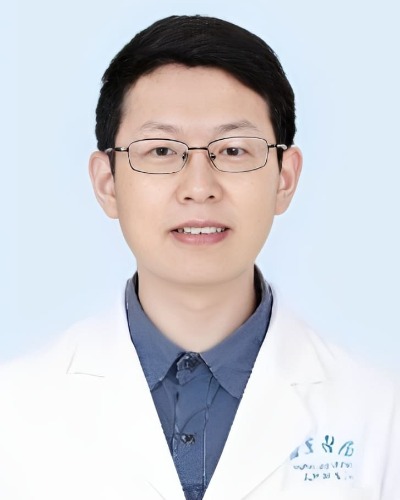
Ye Song is a PhD student in Pediatrics at Shanghai Jiao Tong University School of Medicine, China. Clinically, he has long been engaged in the treatment of neonatal bronchopulmonary dysplasia (BPD). His research focuses on the mechanisms by which intrauterine inflammation affects offspring lung development, with particular emphasis on the role of CFTR in alveolar proliferation and differentiation. By combining clinical practice with basic research, he/she aims to elucidate the pathogenesis of BPD and identify potential therapeutic targets to improve outcomes for preterm infants.
© 2026 Mathews International LLC. All rights reserved.
