
Abstract:
Background: Brachial plexus birth injuries can affect upper-extremity movement and function, requiring early assessment, ongoing monitoring, and coordinated care. Occupational and physical therapists contribute to multidisciplinary management, including assessment, caregiver education, and therapeutic intervention. Understanding current neonatal therapy practices is important for describing clinical approaches and identifying areas for further investigation.
Methods: An exploratory questionnaire was used to examine neonatal therapy practices. Participants included occupational and physical therapists, recruited through convenience sampling. Data were collected using an anonymous, online Qualtrics questionnaire addressing [domains examined, such as assessment, intervention, caregiver education, referral, and discharge planning. Descriptive statistics and conventional content analysis were used to summarize participant characteristics and practice patterns.
Results: The sample included nine occupational and physical therapists representing four states. Participants identified therapeutic intervention for BPBI begins at birth or once medically stable after birth. The most frequently identified interventions include caregiver education (89%), supportive positioning (78%), range of motion activities (67%), and splinting/immobilization (56%). Factors influencing therapist choice of interventions varied with no consistent measurement tool or outcome measure identified.
Limitations and Conclusions: This study provides a descriptive account of neonatal therapy practices for infants with brachial plexus birth injuries. Findings highlight the variability in current treatment practices and lack of standardized protocols or measures to determine intervention plans, while relying solely on therapist clinical judgement. These findings may inform professional education, interdisciplinary discussion, and the development of future research examining neonatal therapy approaches. The exploratory, non-experimental design describes current practices of a small sample size but does not establish intervention effectiveness or causal relationships between therapy practices and infant outcomes.
Biography:
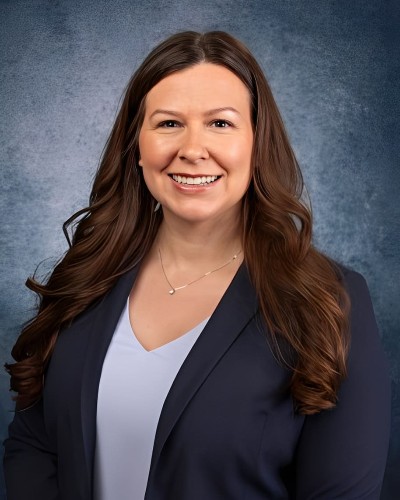
Dr. Jennifer Bolay is an occupational therapist (OT) and an assistant professor in the occupational therapy doctoral program at East Tennessee State University. She is a certified neonatal therapist (CNT) and international board-certified lactation consultant (IBCLC). Her primary area of practice is pediatrics, specifically the neonatal intensive care unit (NICU), focusing on feeding/swallowing, lactation, and motor/sensory development. Dr. Bolay's passion for OT and neonates extends beyond the U.S. into East Africa, where she has dedicated many years to building partnerships with community and government organizations to support education and advocacy for neonatal and pediatric care in rural Kenyan communities.
© 2026 Mathews International LLC. All rights reserved.
